
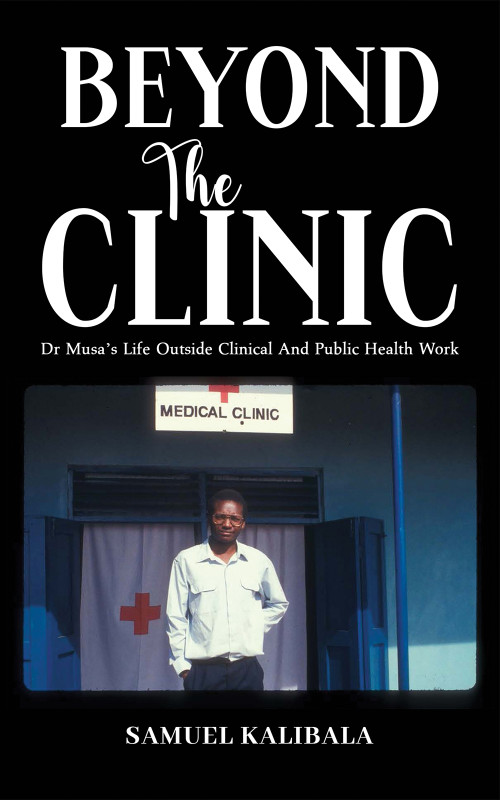
As Musa goes through the final years of medical school, he begins to engage in activities outside clinical work, starting with organising the annual medical dinner with limited funding during his fourth year. After his internship, he is posted to a hospital that becomes besieged during the war. There, he finds himself drinking beer at a bar belonging to a disreputable woman who is a concubine of the commander of the losing army and is also trying to woo the commander of the victorious one.
After the war, Dr Musa finds himself organising a wedding for a colleague with insufficient funds. Meanwhile, the night before the wedding, the groom and best man are accosted by ‘the Twins’ – two sisters known to seduce any man they desired. When Dr Musa drives a sports car, he becomes vulnerable to seduction by single women until his niece comes to occupy the empty seat in his car as a chaperone. His car adventures include being carjacked in Nairobi. He is also kissed on the lips in Geneva by two ladies whom he helps to jump-start their car, and again in Jakarta by a woman he assists in getting her car out of a tight spot.
Dr Musa’s life outside the clinic was characterised by one crisis after another. These included: using his personal account to manage funds from his employer; his daughters warding off a ‘lady-in-red’ who had fallen for him in Amsterdam; having to answer his young daughter’s question about when he started to have sex; and responding to his granddaughter’s query about whether he was married.
He equates these crises to a pivotal moment during a friendly football match between Ugandan and Kenyan doctors. In that game, he kicked the ball high in the air, not knowing if it would land in his own goalposts or on the opponent’s side. He only discovered later that it had landed safely on the opponent’s side. In the end, he wonders whether one can survive by simply ‘kicking the ball’ in a crisis, reacting without planning, and get by in life without strategy, relying on the Grace of God.









 Discover