

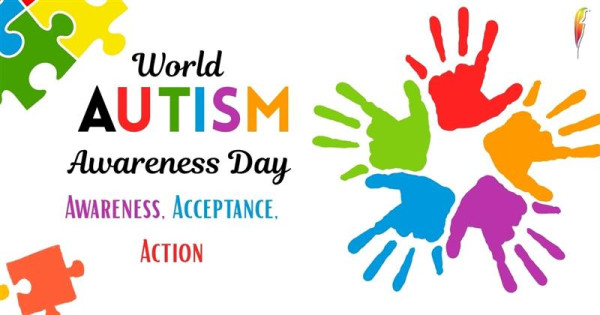
World Autism Awareness Day 2026
Let's Understand Autism Through Stories
Around 1 in 100 children worldwide are estimated to have autism, according to the World Health Organization (WHO). That number isn’t small and it’s a reminder that autism maybe a part of your classrooms, family and communities.
World Autism Awareness Day brings the actual reality into focus each year. But awareness, on its own, only goes so far. Seeing the word “autism” more often doesn’t always mean people understand what it actually looks like in real life. That gap usually starts at an early age. Children notice differences quickly, but without the right context, those differences can feel confusing or even isolating. This is where stories begin to matter more than facts. The books children read shape how they think about the world around them. The right stories don’t just explain autism, they actually make it familiar.
When that understanding starts young, it doesn’t need to be taught later - it’s already there.
How Autism Is Usually Talked About...
When people talk about autism, the conversation often follows familiar patterns. You’ll see awareness campaigns around World Autism Awareness Day, posts highlighting statistics or articles explaining common traits and behaviours of autistic people.
Many websites also include lists of books autism books for children that offers actual recommendations for parents and teachers who want to introduce the topic to their children in an age-appropriate way. These resources are helpful, they give parents a starting points and make it easier to talk about autism in daily life. Even with all this content, most of it focuses on facts, traits and support strategies. It explains what autism is, but rarely shows what it feels like to experience the world through someone else’s perspective. Still, the value is there - these materials lay the groundwork for awareness.
Where Understanding Often Falls Short
Awareness is important, but it doesn’t always lead to understanding. Facts, lists and statistics can tell us what autism is, but they rarely show what it feels like to live with it on a day to day basis. A list of traits or a guide for teachers is useful but it doesn’t build empathy or help children truly relate to someone different from themselves. That’s where stories make a difference. Through books, children and adults alike can see the world from another perspective.
Autism awareness books don’t just explain autism they let readers experience it in a meaningful way.
Books That Help Children Understand Autism Better
The right stories can make a lasting difference, especially when they are introduced in an early age. These inclusive books for children help young readers understand differences in a way that feels natural. They also shows the importance of the rising trend of neurodiversity books, where stories focus on acceptance, empathy and real experiences rather than labels.
Here are ten titles that bring those ideas to life:
Between the Lines by Erin Krase-Minchk
Lucy is ready to finish her middle school, but things didn’t go as planned. As she deals with pressure, emotions and people, she begins to realise what happens when she ignores her own needs. A story that talks about inner struggles and how it can shape someones behaviour and choices.
The Fuzzy Bumblebee by Constance Clarke
A story that helps children understand both the similarities and differences. The fuzzy bumblebee learns that being different doesn’t mean being alone. Simple, clear and effective for young minds beginning to understand inclusion.
The Squirrel Lo and His Friend the Narrator by Hatifan Vogel
Lo, a curious squirrel, discovers a new world of stories through a mysterious narrator. As their journey continues, questions and hidden truths begin to surface. This story encourages curiosity, perspective and looking beyond what’s immediately visible.
Abby May and the Very Big Day by Garnet Freitag
Abby joins a new school without knowing of how she’ll fit in. But with time with some new friendships and small moments, she learns that communication and acceptance can make unfamiliar places feel welcoming. A strong example of inclusive books for children.
A Strange Grandmother Comes Visiting by Ambreen Ahmad
Hassan struggles to understand his grandmother, who seems completely different from what he’s used to...But over time, he begins to see her strengths and the value in those differences. A meaningful story about shifting the perspective and building acceptance.
Emma's Weekend Vacation by Denise Muscolino
Emma, a curious dog gets out into the world and experiences new environments and interactions. Along the way, she learns about patience, connection and understanding. An engaging way to introduce behavioural differences to younger readers.
Beau Needs a Job by Hannah Catanzaro
Beau’s endless energy often gets him into trouble...but there may be a reason behind it. As his family searches for a way to guide him, they begin to understand his strengths. A fun story that tells how behaviour often has a much deeper meaning.
Charlie, The Border Collie Without a Job by Peggy Gendive
Charlie struggles without a sense of purpose which often leads to restlessness behaviour and mischief. As he finds his role everything began to change. This story helps children understand the importance of structure and direction in a subtle yet engaging way.
The Reason I Breathe by Gerri Tennyson
A personal account of raising a child on the autism spectrum, this story shows how the challenges, decisions and strength it takes to advocate for a child’s needs. While this book is more suited for older readers and parents it adds more depth to the space of autism awareness books.
You Are Beautiful by Ashley E. Kettering
A simple but powerful reminder that every child is different in their own way. This book celebrates individuality and encourages kindness which makes it a strong addition to the autism acceptance books and everyday reading for children.
The Role of Neurodiversity in Children’s Literature
Children’s literature has started to change in a meaningful way. Instead of focusing on how to “fix” differences, a lot of stories now choose to represent them as they are. This is where neurodiversity books play an important role. These books show different ways of thinking and experiencing the world without turning them into problems.
Some Key points to consider:
-
Moving away from “fixing” narratives:
Stories are no longer written to change a child but to understand them.
-
Stronger representation:
These stories have characters who think and behave differently, which makes stories more relatable.
-
Normalising differences:
These books present diversity as a natural part of life, not something unusual or separate.
-
Building acceptance early:
When children grow up reading such stories, they’re more likely to accept others without hesitation.
-
Helping children feel seen:
For those who relate to these characters, it creates a sense of belonging and recognition.
Building Acceptance Early Through Stories
The way children understand the world is shaped early and the stories they read play a big part in that. When parents and teachers introduce inclusive books to their children, they’re not just adding to a reading list...they’re shaping how children respond to differences in real life.
When these ideas are introduced early, acceptance doesn’t have to feel like a lesson. It becomes part of how children naturally think and interact with the world around them.
-
For children:
Early exposure helps them see the differences as normal and not something to question or avoid.
-
For parents:
Books create simple ways to start conversations that might otherwise feel difficult.
-
For teachers:
Stories become tools in the classroom and help build a more inclusive environment.
-
Long-term impact:
Children who grow up reading inclusive stories carry that understanding into their adulthood and that shapes the way they treat others.
Some Final Thoughts...
World Autism Awareness Day brings attention to autism each year...but awareness is only the starting point. Real understanding comes from how we choose to engage with it - through conversations, experiences and the stories we share with others. Books play a quiet but important role in that process. They help children see beyond just the labels and help parents explain what words sometimes cannot and give teachers a way to build inclusion into everyday learning.
Facts may inform, but stories stay. And sometimes, that’s what makes the biggest difference.
Connect with Austin Macauley Publishers for more such blogs, and submit your manuscript if you want to publish your work. You can also make a quick and easy submission through the online submission form. You can stay updated with our new releases and activities by joining our family of authors and readers on Facebook, X, TikTok, and Instagram.
 Discover
We use cookies on this site to enhance your user experience and for marketing purposes.
By clicking any link on this page you are giving your consent for us to set cookies